
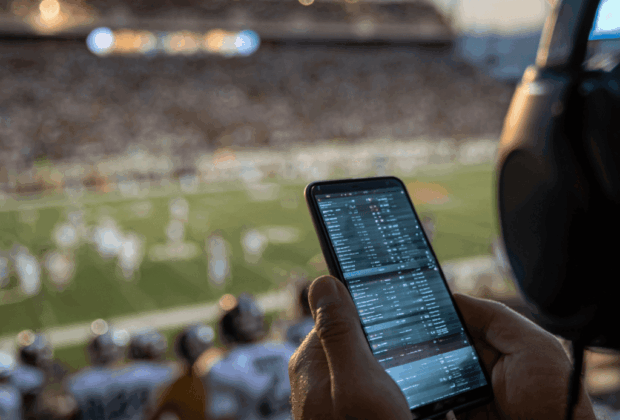
สร้างพอร์ตการลงทุนเดิมพันที่มีกำไรตลอดทั้งฤดูกาล NFL และ NBA
การเดิมพันกีฬาไม่ใช่เพียงเรื่องของโชคชะตาหรือจังหวะในเกมเท่านั้น แต่คือ “การวางแผนระยะยาว” ที่ต้องอาศัยวินัย การวิเคราะห์ และการบริหารเงินอย่างชาญฉลาด เพื่อให้คุณสามารถสร้างผลกำไรอย่างมั่นคงตลอดทั้งฤดูกาล ไม่ว่าจะเป็น NFL (อเมริกันฟุตบอล) หรือ NBA (บาสเกตบอล) และแน่นอนว่า การเริ่มต้นกับระบบที่มั่นคงและปลอดภัยคือหัวใจสำคัญของความสำเร็จ ซึ่ง ฝากถอนแทงบอล ufabet คือหนึ่งในเครื่องมือที่ตอบโจทย์ที่สุดในยุคนี้ ด้วยระบบการเงินที่รวดเร็ว ปลอดภัย และโปร่งใส 100% ช่วยให้คุณสามารถบริหารพอร์ตการเดิมพันได้ง่ายดาย พร้อมสร้างความต่อเนื่องในการลงทุนกีฬาแบบมืออาชีพอย่างแท้จริง ...




สร้างพอร์ตการลงทุนเดิมพันที่มีกำไรตลอดทั้งฤดูกาล NFL และ NBA
การเดิมพันกีฬาไม่ใช่เพียงเรื่องของโชคชะตาหรือจังหวะในเกมเท่านั้น แต่คือ “การวางแผนระยะยาว” ที่ต้องอาศัยวินัย การวิเคราะห์ และการบริหารเงินอย่างชาญฉลาด เพื่อให้คุณสามารถสร้างผลกำไรอย่างมั่นคงตลอดทั้งฤดูกาล ไม่ว่าจะเป็น NFL (อเมริกันฟุตบอล) หรือ NBA (บาสเกตบอล) และแน่นอนว่า การเริ่มต้นกับระบบที่มั่นคงและปลอดภัยคือหัวใจสำคัญของความสำเร็จ ซึ่ง ฝากถอนแทงบอล ufabet คือหนึ่งในเครื่องมือที่ตอบโจทย์ที่สุดในยุคนี้ ด้วยระบบการเงินที่รวดเร็ว ปลอดภัย และโปร่งใส 100% ช่วยให้คุณสามารถบริหารพอร์ตการเดิมพันได้ง่ายดาย พร้อมสร้างความต่อเนื่องในการลงทุนกีฬาแบบมืออาชีพอย่างแท้จริง ในบทความนี้ เราจะพาคุณมาสร้าง “แผนการเล่นตลอดฤดูกาล” ที่ไม่เพียงช่วยให้สนุกกับเกมกีฬา แต่ยังเปิดโอกาสให้คุณทำกำไรอย่างมีระบบ ...



สร้างพอร์ตการลงทุนเดิมพันที่มีกำไรตลอดทั้งฤดูกาล NFL และ NBA
การเดิมพันกีฬาไม่ใช่เพียงเรื่องของโชคชะตาหรือจังหวะในเกมเท่านั้น แต่คือ “การวางแผนระยะยาว” ที่ต้องอาศัยวินัย การวิเคราะห์ และการบริหารเงินอย่างชาญฉลาด เพื่อให้คุณสามารถสร้างผลกำไรอย่างมั่นคงตลอดทั้งฤดูกาล ไม่ว่าจะเป็น NFL (อเมริกันฟุตบอล) หรือ NBA (บาสเกตบอล) และแน่นอนว่า การเริ่มต้นกับระบบที่มั่นคงและปลอดภัยคือหัวใจสำคัญของความสำเร็จ ซึ่ง ฝากถอนแทงบอล ufabet คือหนึ่งในเครื่องมือที่ตอบโจทย์ที่สุดในยุคนี้ ด้วยระบบการเงินที่รวดเร็ว ปลอดภัย และโปร่งใส 100% ช่วยให้คุณสามารถบริหารพอร์ตการเดิมพันได้ง่ายดาย พร้อมสร้างความต่อเนื่องในการลงทุนกีฬาแบบมืออาชีพอย่างแท้จริง ในบทความนี้ เราจะพาคุณมาสร้าง “แผนการเล่นตลอดฤดูกาล” ที่ไม่เพียงช่วยให้สนุกกับเกมกีฬา แต่ยังเปิดโอกาสให้คุณทำกำไรอย่างมีระบบ และมีความสุขในทุกสัปดาห์ของการแข่งขัน 1. มองการเดิมพันกีฬาเหมือน “การลงทุน” หลายคนมองการเดิมพันว่าเป็นเรื่องของความเสี่ยง แต่ในมุมของนักเดิมพันที่ประสบความสำเร็จ ...


-
Explaining What Is Online Gaming
Online gaming is a type of game played over the Internet or another computer network. It can range from simple ... -
스포츠 해설의 예술: 훌륭한 중계 아나운서의 조건
스포츠 경기를 더 생생하고 몰입감 있게 만드는 핵심 요소 중 하나는 바로 중계 아나운서의 해설입니다. 뛰어난 해설은 단순한 경기의 설명을 ... -
Wood Rings: A Fashionable & Unique Alternative
Wooden rings offer a unique and fashionable alternative to metal rings. They are also hypoallergenic and durable. It is important ... -
Common forms of sports betting
Sports betting on ONCAPAN is a great way of winning money, whether you’re a fan or not. Before you start betting, ... -
Tips for buying a Silk Pillowcase
There are a few things to consider when purchasing a silk pillowcase from tafts.com/collections/silk-pillowcases. First, the material should be Grade ... -
How An Orthodontist Can Treat You
Orthodontists from smilebar.com correct malocclusions, which are misalignments in the teeth or jaws. These include an overbite or underbite, which ...




Load More


Latest Articles
สร้างพอร์ตการลงทุนเดิมพันที่มีกำไรตลอดทั้งฤดูกาล NFL และ NBA
การเดิมพันกีฬาไม่ใช่เพียงเรื่องของโชคชะตาหรือจังหวะในเกมเท่านั้น แต่คือ “การวางแผนระยะยาว” ที่ต้องอาศัยวินัย การวิเคราะห์ และการบริหารเงินอย่างชาญฉลาด เพื่อให้คุณสามารถสร้างผลกำไรอย่างมั่นคงตลอดทั้งฤดูกาล ไม่ว่าจะเป็น NFL (อเมริกันฟุตบอล) หรือ NBA (บาสเกตบอล) และแน่นอนว่า การเริ่มต้นกับระบบที่มั่นคงและปลอดภัยคือหัวใจสำคัญของความสำเร็จ ซึ่ง ฝากถอนแทงบอล ufabet คือหนึ่งในเครื่องมือที่ตอบโจทย์ที่สุดในยุคนี้ ด้วยระบบการเงินที่รวดเร็ว ปลอดภัย และโปร่งใส 100% ช่วยให้คุณสามารถบริหารพอร์ตการเดิมพันได้ง่ายดาย พร้อมสร้างความต่อเนื่องในการลงทุนกีฬาแบบมืออาชีพอย่างแท้จริง ในบทความนี้ เราจะพาคุณมาสร้าง “แผนการเล่นตลอดฤดูกาล” ที่ไม่เพียงช่วยให้สนุกกับเกมกีฬา แต่ยังเปิดโอกาสให้คุณทำกำไรอย่างมีระบบ และมีความสุขในทุกสัปดาห์ของการแข่งขัน 1. มองการเดิมพันกีฬาเหมือน “การลงทุน” หลายคนมองการเดิมพันว่าเป็นเรื่องของความเสี่ยง ...


